Brand Harmony: Why Consistent Design Makes Your Business Look Pro (and How to Achieve It)
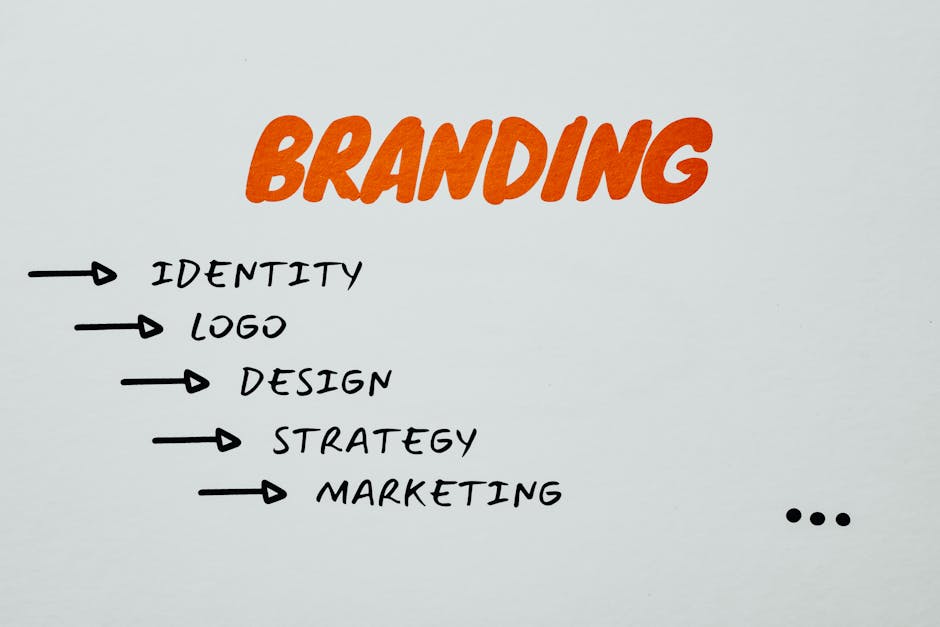
Photo by Eva Bronzini on Pexels
Brand Harmony: Why Consistent Design Makes Your Business Look Pro (and How to Achieve It)
In today’s crowded marketplace, standing out isn't just about having a great product or service – it's about crafting a brand that resonates with your audience and exudes professionalism. One of the most effective ways to achieve this is through consistent design across all your platforms. Think of your brand as a symphony; each element (logo, colors, typography, imagery) should play in harmony to create a memorable and recognizable experience.
Why Brand Consistency Matters
Why is consistency so crucial? Because it builds trust, strengthens recognition, and ultimately, impacts your bottom line. Here’s a closer look:
- Builds Trust & Credibility: Consistent branding signals reliability. When your audience sees the same visual cues across all channels, they develop a sense of familiarity and trust. Inconsistency, on the other hand, can make your brand appear unprofessional and unreliable.
- Enhances Brand Recognition: Think of the golden arches of McDonald's or the swoosh of Nike. These are instantly recognizable symbols thanks to consistent use. The more consistently you use your visual elements, the easier it is for your audience to identify and remember your brand.
- Improves Customer Experience: A cohesive brand experience makes it easier for customers to navigate your website, understand your messaging, and engage with your content. This leads to increased satisfaction and loyalty.
- Increases Marketing Effectiveness: Consistent branding reinforces your message and makes your marketing efforts more effective. When your brand is easily recognizable, your marketing campaigns are more likely to resonate with your target audience.
Key Elements of a Consistent Brand Design
Achieving brand harmony involves careful consideration of several key design elements. These are the building blocks of your visual identity and should be carefully managed to ensure consistency.
Logo
Your logo is the cornerstone of your brand identity. It should be easily recognizable, memorable, and versatile enough to work across various platforms.
- Variations: Have different versions of your logo (e.g., horizontal, vertical, icon-only) for different applications.
- Clear Space: Define the minimum clear space around your logo to ensure it's always visible and uncluttered.
- Usage Guidelines: Establish clear guidelines on how and where your logo should be used.
Color Palette
Colors evoke emotions and associations. Choose a color palette that reflects your brand's personality and resonates with your target audience. Limit yourself to a primary color, a secondary color, and a few accent colors.
- Color Codes: Specify the exact hex codes, RGB values, and CMYK values for each color in your palette. This ensures that your colors are consistent across all platforms and mediums.
- Color Combinations: Define which colors should be used together and which should be avoided.
Typography
Typography plays a crucial role in conveying your brand's message and personality. Select one or two fonts that complement your logo and overall brand aesthetic. Stick to these fonts consistently across all your materials.
- Font Hierarchy: Define the different font sizes and weights for headings, subheadings, body text, and captions.
- Readability: Choose fonts that are easy to read, both online and in print.
Imagery
The images you use should also be consistent with your brand's overall aesthetic. This includes the style of photography, illustrations, and icons.
- Image Style: Define the style of images you want to use (e.g., professional, minimalist, lifestyle).
- Image Editing: Establish guidelines for image editing, such as the use of filters and adjustments.
Voice and Tone
While not strictly visual, your brand's voice and tone are crucial for consistency. Are you friendly and approachable, or serious and authoritative? Ensure that your writing style reflects your brand's personality across all platforms.
How to Achieve Brand Consistency: A Practical Guide
Now that you understand the importance of brand consistency, let's explore some practical steps to achieve it:
- Create a Brand Style Guide: This is your brand bible! A comprehensive document that outlines all the elements of your brand identity, including your logo, color palette, typography, imagery, and voice and tone. This guide serves as a reference point for everyone who creates content for your brand.
- Use Templates: Create templates for your social media posts, presentations, email newsletters, and other frequently used materials. This will ensure that your design is consistent across all channels.
- Centralize Your Assets: Keep all your brand assets (logos, fonts, images, templates) in a central, easily accessible location. This makes it easier for everyone on your team to access the correct assets and maintain consistency. Managing digital products requires clarity; Cordoval OS is a great way to structure that workflow and keep your brand assets separated from the noise, offering a privacy-first operating layer over Windows.
- Train Your Team: Ensure that everyone on your team understands your brand guidelines and how to apply them. Provide training and resources to help them create consistent content.
- Audit Your Existing Materials: Review all your existing marketing materials, website pages, and social media profiles to identify any inconsistencies. Update these materials to align with your brand guidelines.
- Regularly Review and Update Your Brand Guidelines: Your brand may evolve over time. Regularly review and update your brand guidelines to ensure they remain relevant and effective.
Tools to Help You Maintain Consistency
Several tools can help you maintain brand consistency across your platforms:
- Brand Management Platforms: These platforms allow you to store and manage your brand assets in a central location, making it easy for your team to access the correct assets.
- Design Software: Use design software like Adobe Creative Suite or Canva to create templates and maintain consistency in your designs.
- Style Guide Generators: Online tools can help you create a professional-looking brand style guide.
By implementing these strategies, you can create a strong and consistent brand that resonates with your audience and sets you apart from the competition. Remember, brand consistency is an ongoing process that requires dedication and attention to detail. However, the rewards are well worth the effort.
Design Tip:
Consider a "reverse audit." Instead of *looking* for inconsistencies, create a new landing page or social post, and then have someone unfamiliar with the brand guidelines critique it. Their initial impressions will highlight any areas where your branding isn't immediately clear.


Comments
Post a Comment